

On This Page
For most travelers, Cancun International Airport (CUN) is still the smarter choice — it has far more nonstop routes, generally cheaper fares, and one straightforward 74-mile drive down Highway 307. Tulum International Airport (TQO) sits only about 25 miles from town, but fewer airlines fly there, seats typically cost more, and 2026 has brought a wave of route cuts that shrank its schedule. Which one actually wins for your trip depends less on which airport is “closer” and more on whether your flight goes there nonstop at all.
In short: Tulum’s own airport (TQO) is geographically closer to town — about 25 miles versus Cancun’s 74 — but it has fewer airlines, pricier fares, and lost roughly 27–30% of its flight capacity heading into 2026. Cancun (CUN) offers more nonstop options, steadier pricing, and a predictable 1.5–2 hour transfer, making it the more reliable choice for most trips.
Key Takeaways
- “Closer” on a map isn’t closer in cost or time. A taxi from Tulum Airport to the hotel zone alone runs $80–$124 USD (Xamanha Connections, 2026) — often close to what a full, fixed-price private transfer covering the entire 74-mile Cancun-to-Tulum route costs.
- 2026 has been a rough year for Tulum Airport’s flight schedule. Airlines cut roughly 27–30% of TQO’s capacity compared to late 2024, with Delta, American, United, and Air Canada all trimming or dropping routes (Thrifty Traveler, 2026; AirlineGeeks, 2025).
- Flights into Tulum typically cost 15–25% more than the equivalent Cancun fare — a gap that needs to stay under roughly $80 USD to make sense against the extra driving time saved.
- Cancun has vastly more infrastructure: 4 terminals and 29.3 million passengers in 2025 (19.4 million of them international) versus Tulum’s single 12-gate terminal, built for up to 6 million passengers a year (Wikipedia, Cancún International Airport; Wikipedia, Tulum International Airport).
- The real decision isn’t the airport code — it’s your nonstop option. Check both airports before booking; a nonstop into either city, paired with a pre-arranged private transfer, almost always beats a connecting flight into the “closer” one.
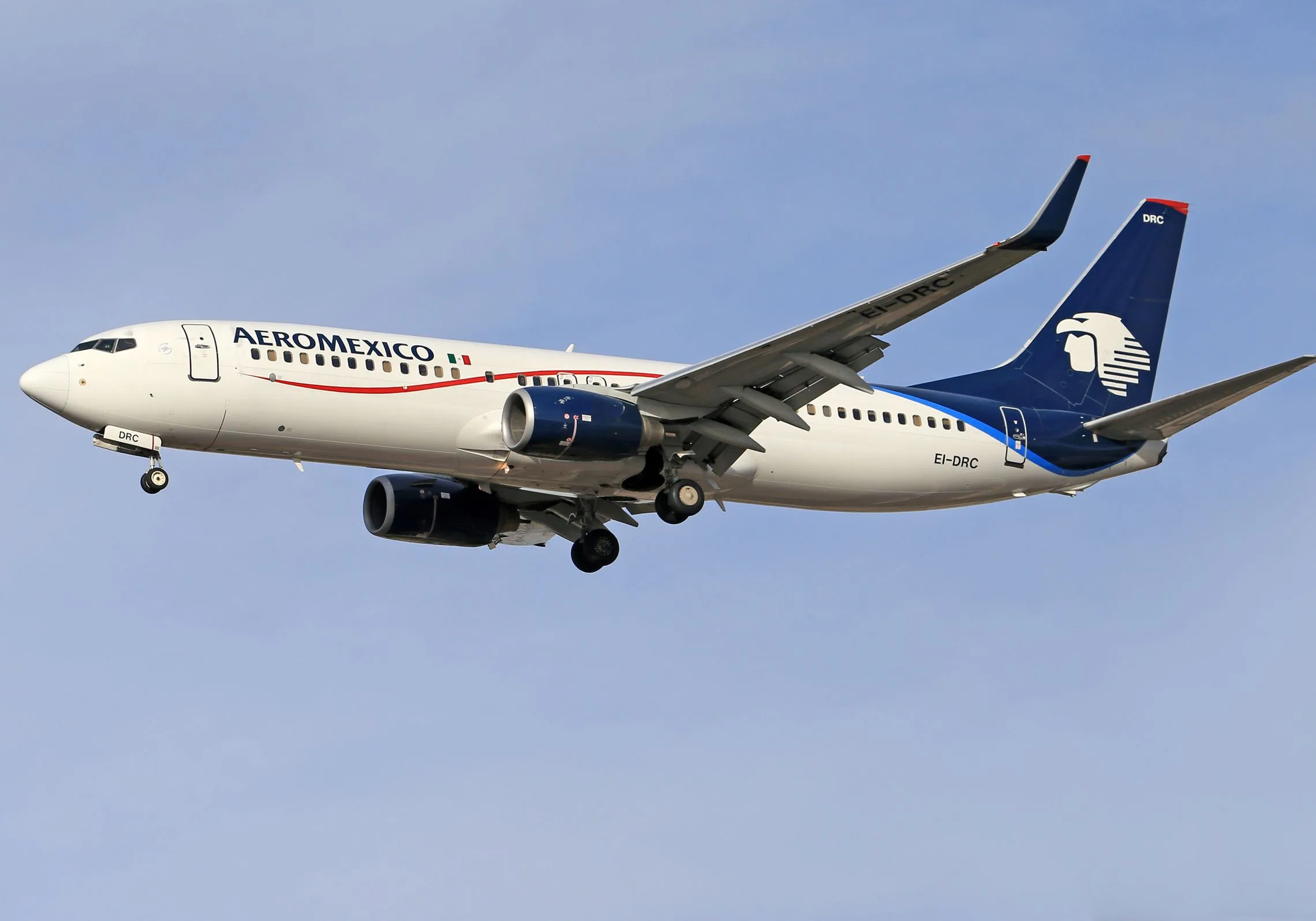
How Far Is Each Airport From Tulum, Really?
Tulum International Airport (TQO) is the closer of the two on paper — it sits roughly 25 miles (40 km) from Tulum town, a drive that takes about 30–45 minutes depending on traffic, since the highway bypass around town still isn’t complete and can add 15–30 minutes during peak hours (Island Life Mexico, 2026).
Cancun International Airport (CUN) is about 74 miles (119 km) north, a straight run down Highway 307 that takes roughly 1 hour 38 minutes to 2 hours depending on exactly where in Tulum you’re headed and how much traffic builds up around Playa del Carmen (Trippy; Cancun Airport Transportation Blog, 2026).
| Tulum Airport (TQO) | Cancun Airport (CUN) | |
|---|---|---|
| Distance to Tulum town | ~25 miles (40 km) | ~74 miles (119 km) |
| Typical drive time | 30–45 minutes | 1h 38m – 2 hours |
| Route | Local roads, incomplete bypass through town | Highway 307, direct |
| Distance to Hotel Zone | Similar, sometimes longer depending on entry point | Same drive plus Hotel Zone approach |
On distance alone, Tulum Airport wins easily. But distance is only one input — flight availability, fare, and what the drive actually costs once you land change the calculation considerably.
Which Airport Has More Flights — and Is That Changing?
This is where the comparison shifts. Cancun is one of the busiest airports in Latin America for international traffic, moving 29.3 million passengers in 2025, 19.4 million of them international, across four terminals connecting more than 40 U.S. cities and 20+ European cities directly (Wikipedia, Cancún International Airport).
Tulum Airport, by comparison, opened far more recently — domestic service began December 1, 2023, with international flights following on March 28, 2024. It was built with 12 gates and capacity for roughly 5.5–6 million passengers annually, backed by a $3.2 billion investment (Wikipedia, Tulum International Airport). As of mid-2026, ten airlines still serve TQO — including Aeromexico, American, Delta, United, Air Canada, WestJet, Viva, and Volaris — covering all three major global alliances.
The catch is momentum. Heading into 2026, several major U.S. and Canadian carriers pulled back hard on Tulum service: American dropped its Charlotte route and kept only Miami and Dallas-Fort Worth nonstops, Delta cut its Minneapolis and Detroit flights, and Air Canada shifted its focus back to Cancun. Overall capacity into TQO fell an estimated 27–30% compared to late 2024 (Thrifty Traveler, 2026; AirlineGeeks, 2025). The reasons cited by industry reporting are consistent: seat capacity simply outpaced real demand, the airport’s location is inconvenient for an expensive, lengthy taxi ride to most resorts, and airlines are re-concentrating capacity on the far larger, cheaper-to-serve Cancun market.
Practically, that means Tulum Airport’s schedule is thinner and less predictable than it looked in 2024, and it’s worth double-checking that your specific route still flies nonstop before assuming TQO is an option.
Is It Cheaper to Fly Into Tulum or Cancun?
Almost always cheaper into Cancun. Flights to Tulum tend to run about 15–25% higher than the equivalent Cancun fare, though the exact gap depends heavily on your departure city — a Dallas-to-Tulum fare can be considerably pricier than Dallas-to-Cancun, while a New York departure sometimes shows barely any difference (Everything Playa del Carmen, 2026).
A widely used rule of thumb among Riviera Maya travel guides: if the Tulum fare premium is under about $80 USD, flying direct into TQO and saving roughly two hours of driving is usually worth it. If Cancun is meaningfully cheaper — which it often is — flying into CUN and booking a private transfer typically comes out ahead once you factor in the airport’s limited schedule and higher local ground-transport costs.
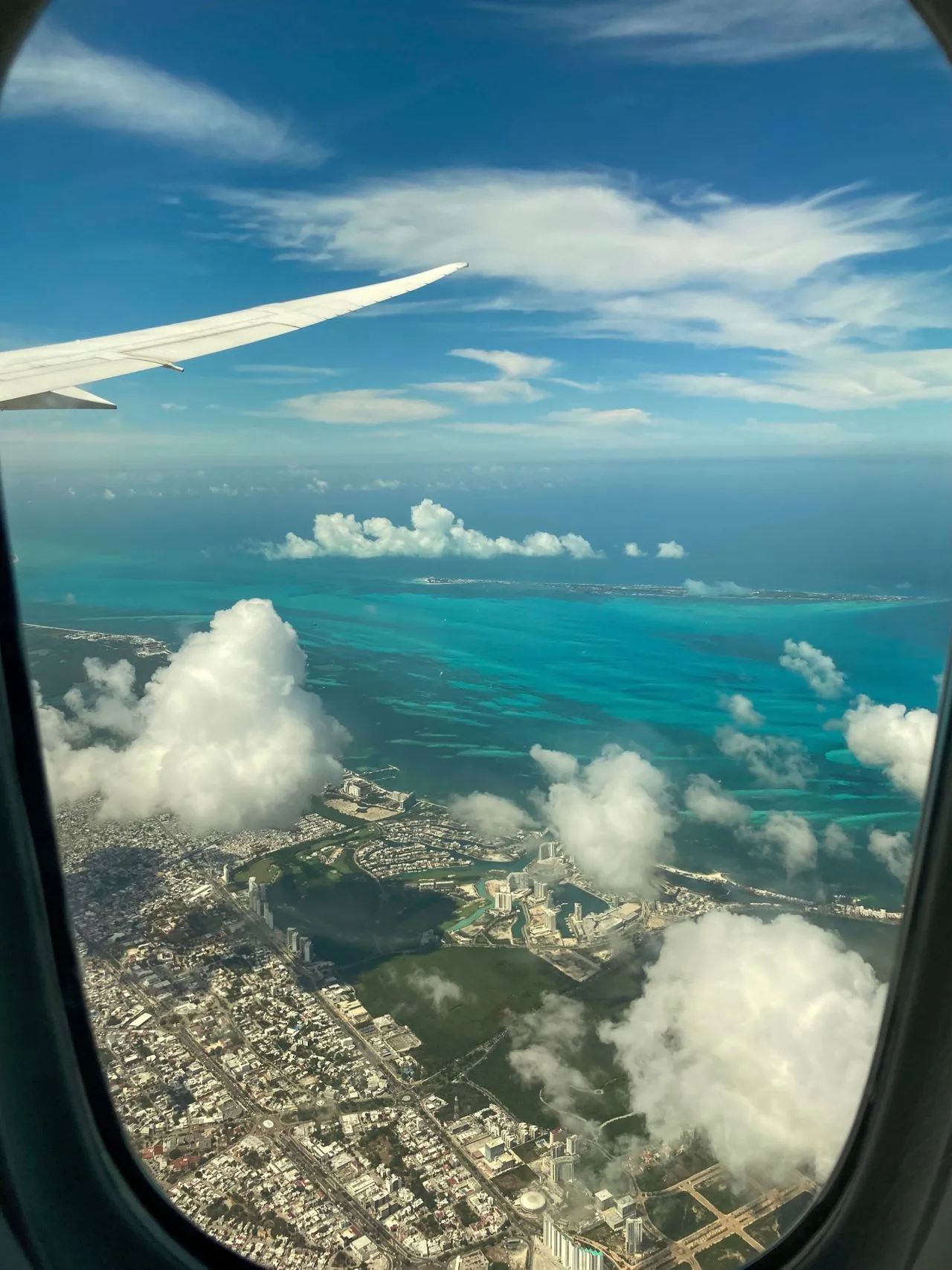
Cancun Airport vs. Tulum Airport: Size, Terminals, and Facilities
The two airports aren’t close in scale. Cancun has operated for decades and built out accordingly; Tulum is still a young airport finding its footing.
| Tulum Airport (TQO) | Cancun Airport (CUN) | |
|---|---|---|
| Opened | December 1, 2023 (domestic); March 28, 2024 (international) | Original terminals decades old; Terminal 4 opened 2017 |
| Terminals | 1 | 4 |
| Gates | 12 | Dozens across 4 terminals; Terminal 4 alone handles up to 9M passengers/year |
| Annual passenger capacity | ~5.5–6 million | 29.3 million passengers handled in 2025 |
| International passengers (2025) | Limited, growing | 19.4 million |
| Airlines serving it (2026) | ~10, capacity down 27–30% vs. 2024 | 40+ U.S. cities, 20+ European cities served directly |
Cancun’s advantage is choice — more airlines, more schedule flexibility, more rebooking options if something goes wrong. Tulum’s advantage is a newer, smaller, less crowded terminal experience, when your flight actually operates.
Getting From Each Airport to Tulum: What Ground Transport Actually Costs
This is the part the “which airport is closer” framing usually skips, and it changes the math considerably.
From Tulum Airport, taxis to the hotel zone start around $80 USD and can run up to $124 for a pre-arranged minivan, since fares scale with exactly how far into town or the hotel zone you’re headed (Xamanha Connections, 2026). Downtown Tulum runs somewhat less — roughly $65–$94 for a reserved minivan — but there’s no meter, so confirming the fare before you get in matters just as much here as it does with Tulum’s local taxis elsewhere.
From Cancun Airport, a private transfer covering the full 74-mile run to Tulum starts from $100 USD for 1–4 passengers ($110 for 5–7, $120 for 8–9) in a private Toyota SUV, with tolls, taxes, fuel, and insurance already built into that quoted price.
| Tulum Airport → Tulum | Cancun Airport → Tulum | |
|---|---|---|
| Distance covered | ~25 miles | ~74 miles |
| Taxi (unreserved) | $80+ to hotel zone | Not typically offered as a fixed-route service |
| Reserved private transfer | $65–$124 depending on zone | From $100 (1–4 pax) |
| Price predictability | Variable, negotiate before riding | Fixed quote in advance |
Put plainly: flying into the “closer” airport doesn’t guarantee a cheaper or easier last leg. Tulum Airport’s short distance is offset by steep, unmetered local fares, while a Cancun Airport to Tulum transfer covers nearly three times the distance for a comparable — sometimes lower — price, with the certainty of a driver tracking your flight and waiting at arrivals.

So Which Should You Actually Book?
Choose Tulum Airport (TQO) if your route flies nonstop, the fare premium over Cancun is roughly $80 or less, and you’d rather trade a longer flight search for a shorter drive. Double-check the schedule is still active before booking — 2026’s route cuts have already grounded several previously reliable nonstops.
Choose Cancun Airport (CUN) if you want more flight and airline options, a better shot at a competitive fare, and a predictable, well-served route into Tulum. For most travelers — especially those booking a few months out rather than chasing a specific nonstop — this is still the more dependable path.
Either way, the airport you land at matters less than what happens after you land. A pre-booked private transfer removes the fare-negotiation and availability guesswork at both airports: book your Cancun Airport to Tulum transfer via WhatsApp and get a quote back in about 15 minutes, with flight tracking included whether you’re flying nonstop into Tulum or connecting through Cancun.